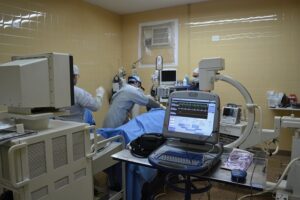
ARDS and Intensive Care: What Happens in the ICU?
ARDS and Intensive Care: What Happens in the ICU?
Acute Respiratory Distress Syndrome (ARDS) is a life-threatening condition characterized by sudden lung inflammation and water accumulation in the alveoli, leading to significant breathing difficulties. Often arising from underlying causes such as pneumonia, sepsis, or trauma, ARDS requires immediate medical attention, typically necessitating intensive care support. Understanding what happens in an Intensive Care Unit (ICU) when dealing with ARDS can help demystify the process for patients and their families. This article aims to provide an insightful overview of ARDS, its management in the ICU, the interventions involved, and what patients and families may expect during this challenging time.
Understanding ARDS
ARDS is classified into three phases based on its severity: mild, moderate, and severe, each defined by varying degrees of hypoxemia and respiratory distress. The condition results from a myriad of triggers, most prominently:
- Pneumonia
- Sepsis
- Trauma
- Aspiration of gastric contents
- Drug overdose
The pathophysiology of ARDS involves an initial injury to the lung tissue, leading to an inflammatory response. This process causes increased permeability of the alveolar-capillary membrane. As a result, fluid leaks into the alveoli, impairing gas exchange and causing hypoxemia.
Signs and Symptoms of ARDS
Patients suffering from ARDS typically present with rapid onset of severe respiratory distress, which may include:
- Severe shortness of breath
- Rapid breathing (tachypnea)
- Low blood oxygen levels (hypoxemia)
- Coughing
- Fatigue and confusion due to lack of oxygen
These signs often escalate quickly, prompting emergency medical intervention. Recognizing these symptoms early can significantly affect outcomes and treatment efficacy.
Admission to the ICU: What to Expect?
Upon arriving in the ICU, patients with ARDS will undergo a thorough assessment to determine the best course of action. The ICU is equipped with advanced technology and monitoring systems to manage such critical cases. Some of the immediate considerations include:
- Continuous monitoring of vital signs, including heart rate, respiratory rate, blood pressure, and oxygen saturation.
- Blood tests to assess organ function and the severity of hypoxemia.
- Imaging studies, particularly chest X-rays or CT scans, to evaluate lung conditions.
The ICU staff, comprised of intensivists, nurses, respiratory therapists, and other specialists, will collaborate closely to provide comprehensive care. Effective communication among the team members is crucial for optimizing patient management.
Respiratory Support and Mechanical Ventilation
One of the central components of ARDS management is providing adequate respiratory support. Depending on the severity of the condition, different levels of respiratory support may be needed:
- Supplemental oxygen: Initially, patients may receive oxygen through a mask or nasal cannula.
- Non-invasive ventilation: In some cases, techniques such as Continuous Positive Airway Pressure (CPAP) or BiPAP may be employed to assist breathing without intubation.
- Mechanical ventilation: For severe ARDS, patients may need to be sedated and placed on a mechanical ventilator.
Mechanical ventilation can be essential as it allows for controlled oxygen delivery and respiratory assistance. Ventilator settings will be tailored specifically to ensure lung protective ventilation, a strategy designed to minimize further lung injury:
- Low tidal volume ventilation: This approach employs a smaller volume of air with each breath (approximately 6 ml/kg of predicted body weight).
- Limiting plateau pressures: Keeping plateau pressure below 30 cm H2O to reduce barotrauma risk.
Monitoring and Management
Patients in the ICU with ARDS will be under constant observation. Critical care staff will continuously monitor lung compliance, oxygenation, and ventilation parameters. Furthermore, various adjunctive therapies may be implemented to enhance care:
- Prone positioning: This method has shown benefits in improving oxygenation in ARDS patients by redistributing blood flow in the lungs.
- Fluid management: Careful balancing of fluid intake and output is crucial to avoid exacerbating pulmonary edema.
- Pharmacological interventions: Corticosteroids and antibiotics may be prescribed to address underlying infections and reduce inflammation.
Nutrition and Physiotherapy
Nutritional support plays a vital role in the recovery of patients with ARDS. Malnutrition is common in critically ill patients, leading to weakened immune defenses and prolonged recovery times. Considerations include:
- Enteral nutrition through a feeding tube, initiated as soon as stable, to minimize muscle wasting.
- Monitoring caloric and protein intake to support energy needs and promote healing.
Physiotherapy is another important aspect of ARDS treatment; early mobilization and respiratory physiotherapy can prevent muscle atrophy, improve lung function, and expedite recovery. Healthcare teams may employ:
- Breathing exercises to promote lung expansion and improve clearance of secretions.
- Gradual increases in mobility, starting with passive movements and progressing to active engagement.
Challenges and Complications
The management of ARDS in the ICU environment is complex, and despite all measures, complications can arise, such as:
- Ventilator-associated pneumonia (VAP): Infections are particularly concerning for patients on mechanical ventilation.
- Barotrauma or volutrauma: Overdistension of alveoli may lead to ruptures of lung tissue.
- Delirium or cognitive dysfunction: ICU patients often experience psychological effects related to their critical illness.
Families should be informed about potential complications, as understanding these aspects helps to contextualize patient care decisions and outcomes.
Family Involvement and Support
ICU settings can be overwhelming not just for patients but for their families as well. Providing emotional support to family members is crucial. The healthcare team should include family members in discussions and decision-making processes. Guidelines suggest:
- Regular updates on the patient’s progress and treatment plan.
- Providing space for family members to voice concerns and ask questions.
- Offering psychological support through social workers or support groups.
Families should be encouraged to spend time with their loved ones, as familiar voices and presence can provide comfort to critically ill patients.
FAQs About ARDS in the ICU
What are the survival rates for ARDS?
Survival rates for ARDS have improved over the years and can vary based on the severity and underlying causes. Generally, studies indicate a survival rate of approximately 50-70%, but these figures can fluctuate based on various factors, including age and comorbidities.
How long do patients stay in the ICU with ARDS?
The length of an ICU stay varies significantly among patients with ARDS. Factors such as severity, response to treatment, and presence of complications determine hospital duration. On average, patients may stay anywhere from a few days to several weeks.
Can ARDS lead to long-term effects on lung function?
Yes, some patients may experience lasting lung function impairment, fatigue, and decreased exercise tolerance after recovering from ARDS. Rehabilitation may be needed to optimize recovery.
What resources are available for family members?
Numerous resources are available for families coping with the challenges of ARDS. Organizations such as the ARDS Foundation and local support groups can provide valuable information and emotional backing.
Conclusion
Navigating the complexities of ARDS in the ICU can be daunting for patients and their families. The intricate web of care, ongoing therapies, and potential complications can foster anxiety, yet understanding the day-to-day procedures and available resources can provide reassurance. With continuous advancements in medical knowledge and treatment protocols, many patients are successfully managed and can achieve recovery. Families should maintain open communication with healthcare providers and prioritize self-care during these trying times. Patience, education, and advocacy play important roles in the journey for recovery from ARDS.
For additional information on ARDS and intensive care management, refer to reputable sources, such as the ARDS Foundation and the National Center for Biotechnology Information. These organizations provide valuable resources aimed at enhancing understanding and support for individuals affected by ARDS.
About ARDS and Post-ARDS
ARDS (Acute Respiratory Distress Syndrome) is a life-threatening condition typically treated in an Intensive Care Unit (ICU). While ARDS itself is addressed during the ICU stay, recovery doesn’t end with discharge; patients then embark on a journey of healing from the effects of having had ARDS.
Disclaimer
The information provided in ARDS Alliance articles is for general informational and educational purposes only and is not a substitute for professional medical advice, diagnosis, or treatment. While we strive to present accurate, current information, the field of Acute Respiratory Distress Syndrome (ARDS) and related healthcare practices evolve rapidly, and ARDS Alliance makes no guarantee regarding the completeness, reliability, or suitability of the content.
Always seek the advice of qualified healthcare professionals with any questions you may have regarding a medical condition. Never disregard professional medical advice or delay seeking it because of information you read in ARDS Alliance articles. ARDS Alliance, its authors, contributors, and partners are not liable for any decision made or action taken based on the information provided in these articles.
About ARDS Alliance
Our mission is to improve the quality of life for ALL those affected by ARDS.
The ARDS Alliance is a non-profit committed to raising awareness and enhancing the understanding of Acute Respiratory Distress Syndrome (ARDS), a severe lung condition often occurring in critically ill patients. Through developing alliances, it unites various organizations and experts striving to improve care and support research aimed at finding more effective treatments. Their efforts include educating the public and healthcare providers about ARDS symptoms, risk factors, and advancements in treatment, ensuring better patient outcomes and resource availability.

“As the President of ARDS Alliance, I am dedicated to improving awareness and support for patients suffering from acute respiratory distress syndrome. Our organization works tirelessly to provide resources and education to both patients and healthcare professionals. By fostering a community of understanding and advocacy, we strive to make a positive impact on those affected by this devastating condition.”
~ Paula Blonski
President, ARDS Alliance
ARDS Articles