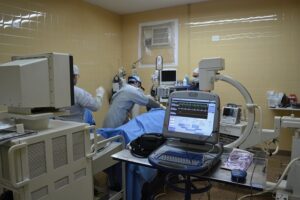
How ARDS Research Has Evolved Over the Past Decade
How ARDS Research Has Evolved Over the Past Decade
Acute Respiratory Distress Syndrome (ARDS) is a life-threatening condition characterized by widespread inflammation and fluid accumulation in the lungs, resulting in decreased oxygen supply to vital organs. The past decade has witnessed significant advancements in our understanding of ARDS, leading to improved diagnostic methodologies, treatment approaches, and patient outcomes. This article aims to highlight the groundbreaking research trends in ARDS, explore the complexities of the condition, and reassure those affected by the illness that progress is being made.
Understanding ARDS
ARDS is a heterogeneous syndrome that can arise from various underlying causes, including pneumonia, sepsis, trauma, and aspiration. The syndrome is classified into three categories based on the severity of hypoxemia: mild, moderate, and severe. The pathophysiology of ARDS involves the disruption of the alveolar-capillary membrane, leading to increased permeability and pulmonary edema. This results in impaired gas exchange, which contributes to the clinical picture of respiratory failure.
In the last decade, research efforts have aimed at unraveling the complexities of ARDS. Investigators have focused on identifying biomarkers that could aid in early diagnosis and prognosis, thus helping clinicians make informed decisions about patient management. Advances in imaging techniques, such as high-resolution computed tomography and ultrasound, have also improved the ability to diagnose and monitor ARDS.
- Definition and classification of ARDS
- Pathophysiology explained
- Importance of early diagnosis
Innovations in Diagnosis
The evolution of ARDS research has led to more nuanced diagnostic criteria and tools. The Berlin Definition, developed in 2012, has been instrumental in standardizing the classification of ARDS based on the degree of hypoxemia and the time of onset. This standardized definition has allowed for better comparison across clinical trials and healthcare settings.
Moreover, researchers have focused on discovering biomarkers that can aid in the diagnosis and prognostication of ARDS. For instance, inflammatory markers such as Interleukin-6 and Protein C have shown promise in predicting the severity of ARDS and potential patient outcomes. The incorporation of these biomarkers into clinical practice may enable healthcare providers to tailor treatment approaches more effectively.
- Significance of the Berlin Definition
- Emerging biomarkers in ARDS research
- Enhanced imaging modalities for diagnosis
Advancements in Treatment Strategies
The treatment of ARDS has traditionally revolved around supportive care, primarily mechanical ventilation, to optimize oxygenation and mitigate ventilator-induced lung injury. Over the last decade, however, research has shifted towards employing personalized, patient-centered strategies. This includes the adoption of lung-protective ventilation strategies, such as low tidal volume ventilation, which have been shown to reduce mortality in patients with ARDS.
There has also been an increased interest in pharmacologic interventions. Research into the use of corticosteroids for ARDS management has yielded promising results. In 2020, the RECOVERY trial demonstrated that dexamethasone significantly reduced mortality among patients with severe ARDS. Other potential therapeutic agents, such as recombinant activated protein C, have shown variable efficacy in clinical trials, highlighting the need for continuous exploration of therapeutic options.
- Patient-centered treatment advances
- Impact of lung-protective ventilation
- Corticosteroid efficacy in ARDS
Research on the Role of Extracorporeal Membrane Oxygenation (ECMO)
Extracorporeal Membrane Oxygenation (ECMO) has emerged as an advanced therapeutic option for patients with severe ARDS, particularly when conventional mechanical ventilation fails to maintain adequate oxygenation levels. The last decade has seen significant research focused on optimizing ECMO strategies and understanding patient selection criteria.
Recent studies have demonstrated that appropriate patient selection and timely initiation of ECMO can lead to favorable outcomes in ARDS patients. Furthermore, research continues to evolve in understanding the complications associated with ECMO management, such as bleeding and infection, thereby refining protocols for its use. Ongoing multi-center studies are examining the long-term effects of ECMO on survival and quality of life for ARDS patients.
- Understanding ECMO in ARDS management
- Patient selection for ECMO
- Complications and outcomes related to ECMO
The Impact of COVID-19 on ARDS Research
The emergence of COVID-19 has significantly influenced ARDS research over the past few years, given that a substantial proportion of hospitalized patients with severe COVID-19 develop ARDS. This unprecedented pandemic has accelerated research efforts, leading to uncovering vital insights into the pathogenesis and treatment of ARDS.
For instance, the COVID-19 pandemic has prompted studies examining the role of novel immunomodulatory therapies, antiviral agents, and convalescent plasma in treating ARDS associated with COVID-19. Additionally, researchers are exploring the long-term consequences of COVID-19 on pulmonary health, understanding that fully recovering from ARDS may take time and affecting survivors’ quality of life.
- COVID-19’s influence on ARDS research
- Emerging therapies for COVID-19-related ARDS
- Long-term effects of ARDS from COVID-19
Ongoing Challenges and Future Directions
Despite the progress made over the past decade, numerous challenges remain in ARDS research. The heterogeneous nature of the syndrome complicates treatment, as patients may respond differently to therapies based on their specific underlying conditions. Thus, future research need to focus on elucidating specific phenotypes of ARDS to tailor treatment strategies more effectively.
Moreover, there is an ongoing need to investigate the long-term effects of ARDS on patients. Many survivors experience persistent physical, psychological, and cognitive impairments following the acute phase of illness. Addressing these complications will require multidisciplinary healthcare approaches, involving rehabilitation programs and mental health support.
- Challenges in ARDS heterogeneity
- Importance of studying long-term effects
- Need for multidisciplinary care approaches
FAQs about ARDS
- What causes ARDS? ARDS can result from multiple factors, including pneumonia, sepsis, trauma, and inhalation of harmful substances.
- What are the symptoms of ARDS? Symptoms typically include severe shortness of breath, rapid breathing, and low oxygen levels.
- How is ARDS treated? Treatment primarily focuses on supportive care, including oxygen therapy and mechanical ventilation, alongside addressing the underlying cause.
- Can ARDS be prevented? While not all cases of ARDS can be prevented, minimizing risk factors such as infections and injuries may reduce its incidence.
Conclusion
The evolution of ARDS research over the past decade has led to meaningful advancements in our understanding of the syndrome and its management. From improved diagnostic criteria and innovative treatment strategies to the impact of COVID-19 on ARDS research, the medical community has made significant strides. While challenges remain, ongoing research is critical in optimizing patient outcomes and enhancing the quality of life for those affected by ARDS.
For those impacted by ARDS, understanding the rapid pace of research and advancements can provide reassurance. Innovative therapies are constantly being explored, and there is a robust community of healthcare professionals dedicated to improving care for ARDS patients. Remember, you are not alone in this journey. Advocates, researchers, and clinicians are committed to enhancing your experience and treatment outcomes.
For further information, articles, and resources, the following websites may be helpful:
About ARDS and Post-ARDS
ARDS (Acute Respiratory Distress Syndrome) is a life-threatening condition typically treated in an Intensive Care Unit (ICU). While ARDS itself is addressed during the ICU stay, recovery doesn’t end with discharge; patients then embark on a journey of healing from the effects of having had ARDS.
Disclaimer
The information provided in ARDS Alliance articles is for general informational and educational purposes only and is not a substitute for professional medical advice, diagnosis, or treatment. While we strive to present accurate, current information, the field of Acute Respiratory Distress Syndrome (ARDS) and related healthcare practices evolve rapidly, and ARDS Alliance makes no guarantee regarding the completeness, reliability, or suitability of the content.
Always seek the advice of qualified healthcare professionals with any questions you may have regarding a medical condition. Never disregard professional medical advice or delay seeking it because of information you read in ARDS Alliance articles. ARDS Alliance, its authors, contributors, and partners are not liable for any decision made or action taken based on the information provided in these articles.
About ARDS Alliance
Our mission is to improve the quality of life for ALL those affected by ARDS.
The ARDS Alliance is a non-profit committed to raising awareness and enhancing the understanding of Acute Respiratory Distress Syndrome (ARDS), a severe lung condition often occurring in critically ill patients. Through developing alliances, it unites various organizations and experts striving to improve care and support research aimed at finding more effective treatments. Their efforts include educating the public and healthcare providers about ARDS symptoms, risk factors, and advancements in treatment, ensuring better patient outcomes and resource availability.

I am dedicated to advancing research and education about Acute Respiratory Distress Syndrome. Our mission is to improve outcomes for patients and their families by providing support and resources for healthcare professionals. Together, we can make a difference in the lives of those affected by ARDS.
~ Paula Blonski
President, ARDS Alliance
ARDS Articles